Florida Science Fair Dinosaur Project Ideas for Elementary and Middle School
Twelve dinosaur-themed science fair project ideas for K-8 Florida students. Each tied to NGSS standards, with materials, methodology, and expected outcomes.
 The Chief Ranger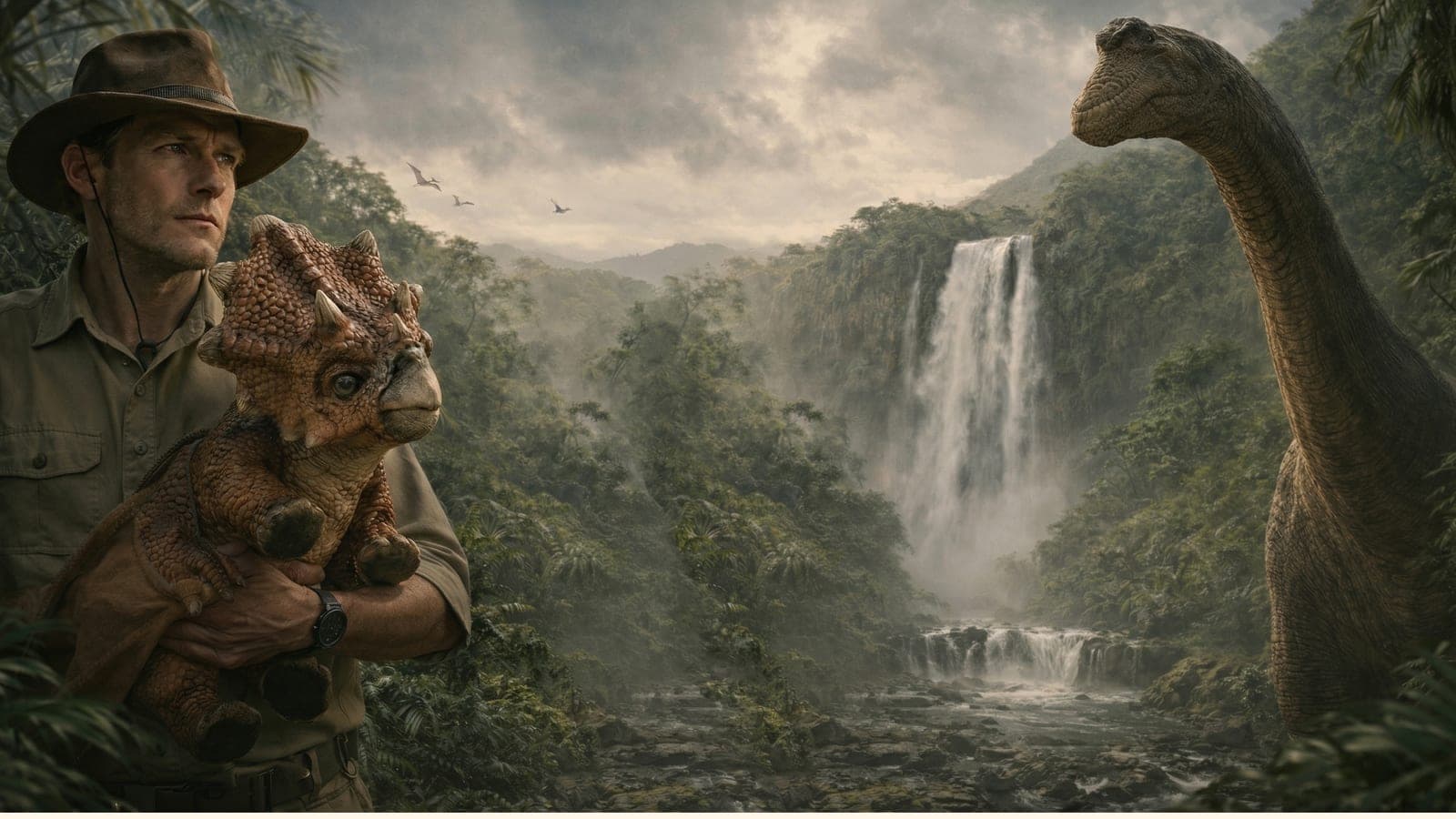
Florida elementary and middle school students often have science fairs as part of their curriculum. Dinosaur-themed projects are popular because students engage with the topic intrinsically — but most "dinosaur science fair projects" are just dioramas with figurines rather than actual scientific inquiry. This guide offers 12 dinosaur-themed science fair project ideas that involve real investigation, are appropriate for K-8, and tie to NGSS and Florida science standards.
What makes a good dinosaur science fair project#
Three criteria.
Investigates something testable#
Dioramas and presentations are not science fair projects. A real project asks a question, proposes a hypothesis, gathers evidence, and reaches a conclusion. "What did T-Rex eat?" is not testable. "Which dinosaur figurine sinks fastest in water — does body shape affect water resistance?" is.
Uses real evidence (even if simulated)#
The student handles physical materials — sand, water, paint, models — and gathers data from them. Pure library research isn't a science fair project.
Connects to a standard#
The project should align with an NGSS or Florida B.E.S.T. K-12 science standard the teacher can name. This makes the rubric grading easier.
12 dinosaur science fair project ideas#
Sorted by grade level.
K-2 projects (kindergarten through 2nd grade)#
1. "How big was T-Rex compared to me?"#
Standard: K-LS1-1 (patterns in what animals need to survive); measurement skills.
Method: Student lies down on chalk on the sidewalk. Then chalks out a T-Rex outline at scale (40 feet). Counts how many of their lengths equals one T-Rex.
Outcome: Visual size comparison, measurement practice.
Materials: Chalk, measuring tape, photos.
2. "Which dinosaur figurine is biggest?"#
Standard: Classification and measurement.
Method: Student measures multiple dinosaur figurines, ranks them by size. Compares to known real-world sizes of each species.
Outcome: Measurement practice, classification, real-world data.
Materials: Dinosaur figurines (5-10), ruler, paper.
3. "Footprint detective"#
Standard: Inference from evidence.
Method: Student uses paint or mud to make footprints with different dinosaur figurines. Examines patterns. Predicts which dinosaur made each track.
Outcome: Inference skills, scientific reasoning.
Materials: Dinosaur figurines, paint or wet sand, paper.
Grades 3-5 projects#
4. "Which dinosaur teeth fit which diet?"#
Standard: 3-LS4-1 (fossil evidence of ancient organisms); 4-LS1-1 (body structures and survival).
Method: Student photographs or draws teeth from multiple dinosaurs (T-Rex, Triceratops, Brachiosaurus, Velociraptor). Predicts diet from tooth shape. Verifies prediction against paleontology resources.
Outcome: Anatomy-to-function reasoning, scientific method.
Materials: Reference photos, paper.
5. "How long ago did dinosaurs live? Comparing to today"#
Standard: Earth science, deep time.
Method: Student creates a scale timeline showing Earth's history. Marks dinosaur era, modern era. Calculates ratios.
Outcome: Understanding of geological time scales.
Materials: Paper, markers, calculator.
6. "Fossil preservation experiment"#
Standard: Earth processes, sedimentation.
Method: Student buries different objects (toy dinosaur, shells, leaves) in sand, mud, and plaster. Lets them sit for weeks. Excavates and observes which preserved better. Hypothesizes why.
Outcome: Real understanding of fossilization conditions.
Materials: Toy dinosaurs, shells, leaves, sand, mud, plaster, containers.
7. "Which dinosaur could swim?"#
Standard: Body adaptations, density.
Method: Student tests dinosaur figurines in water to see which float and which sink. Compares body shapes. Researches which dinosaurs actually lived in or near water (Spinosaurus, Plesiosaurus, Mosasaur).
Outcome: Adaptation reasoning, density investigation.
Materials: Dinosaur figurines, water container, scale.
Grades 6-8 projects#
8. "How do scientists name new dinosaur species?"#
Standard: Scientific method, classification systems.
Method: Student researches the taxonomic system. Picks a hypothetical new dinosaur (drawing or model). Names it using Latin/Greek roots. Justifies the name based on features.
Outcome: Understanding of scientific naming, classification reasoning.
Materials: Reference books, paper, art supplies.
9. "Comparing the Cretaceous and modern climate"#
Standard: Earth's climate history, environmental science.
Method: Student researches Cretaceous Period climate (temperature, atmospheric CO2, sea levels). Compares to modern climate. Discusses what plants and animals lived in each.
Outcome: Environmental science thinking, climate history.
Materials: Reference materials.
10. "Dinosaur sizes — what affects body size?"#
Standard: Body size and environmental factors, biology.
Method: Student gathers data on the sizes of various dinosaur species. Looks for patterns — diet (herbivore vs carnivore), period (Triassic vs Jurassic vs Cretaceous), location, time of extinction. Proposes hypotheses about what drove size.
Outcome: Data analysis, hypothesis formation, scientific reasoning.
Materials: Reference data, spreadsheet, charts.
11. "How accurate is Jurassic Park?"#
Standard: Scientific reasoning, evaluation of sources.
Method: Student watches Jurassic Park (or a similar dinosaur movie) and lists 5-10 specific claims. Researches each. Determines which are accurate, which are outdated, which are wrong.
Outcome: Critical thinking, source evaluation, science vs. fiction.
Materials: Movie, paper, reference materials.
12. "What killed the dinosaurs? Comparing extinction theories"#
Standard: Earth history, mass extinction, evidence evaluation.
Method: Student researches different extinction theories (asteroid, volcanism, disease, gradual climate change). Evaluates evidence for each. Concludes which best fits the evidence and why.
Outcome: Critical evaluation, scientific consensus formation.
Materials: Reference materials, paper.
Tips for student researchers#
Use primary sources#
Children's books are a starting point but for K-8 science fair projects, encourage using sources from the Smithsonian, the American Museum of Natural History, the Florida Museum of Natural History, and the Paleontological Society. These hold up better in front of judges.
Cite sources#
Bibliography matters. Judges and teachers reward citation.
Photo evidence#
Take photos of every step. Include them in the display board.
Practice the presentation#
Most science fair points come from how students explain their work. Practice three times before the fair.
Tie to a Jurassic Petting Zoo school event#
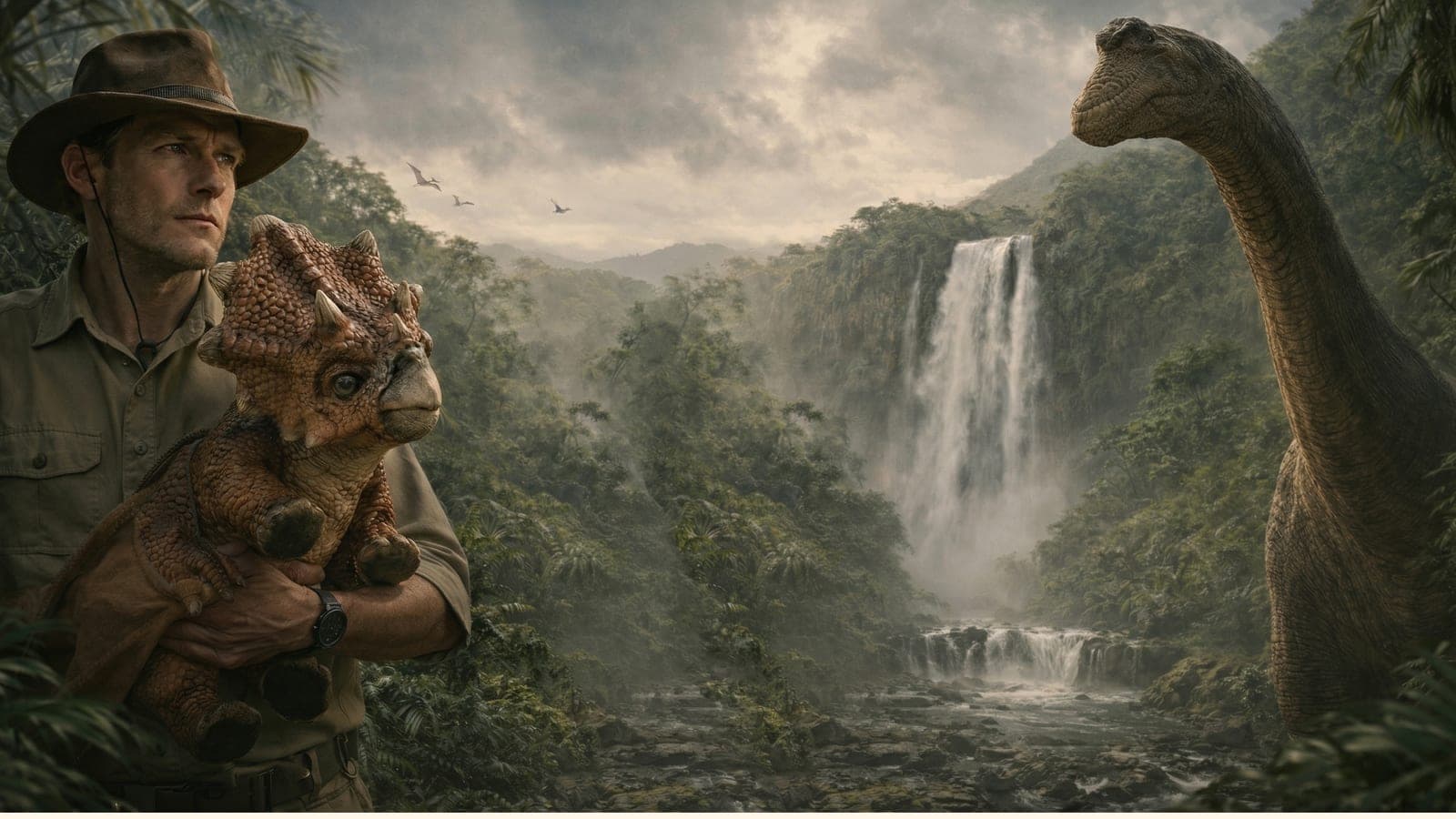
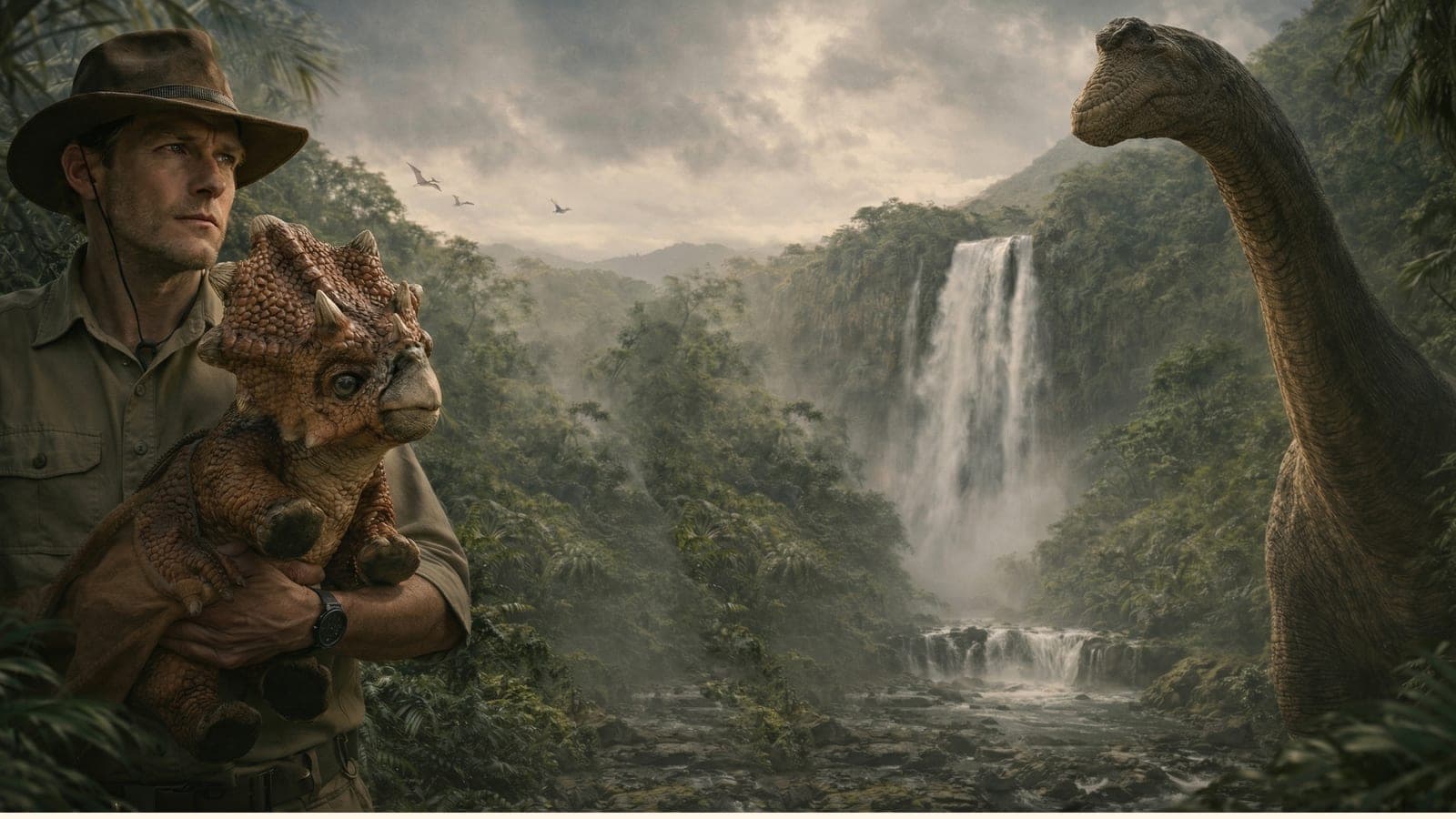
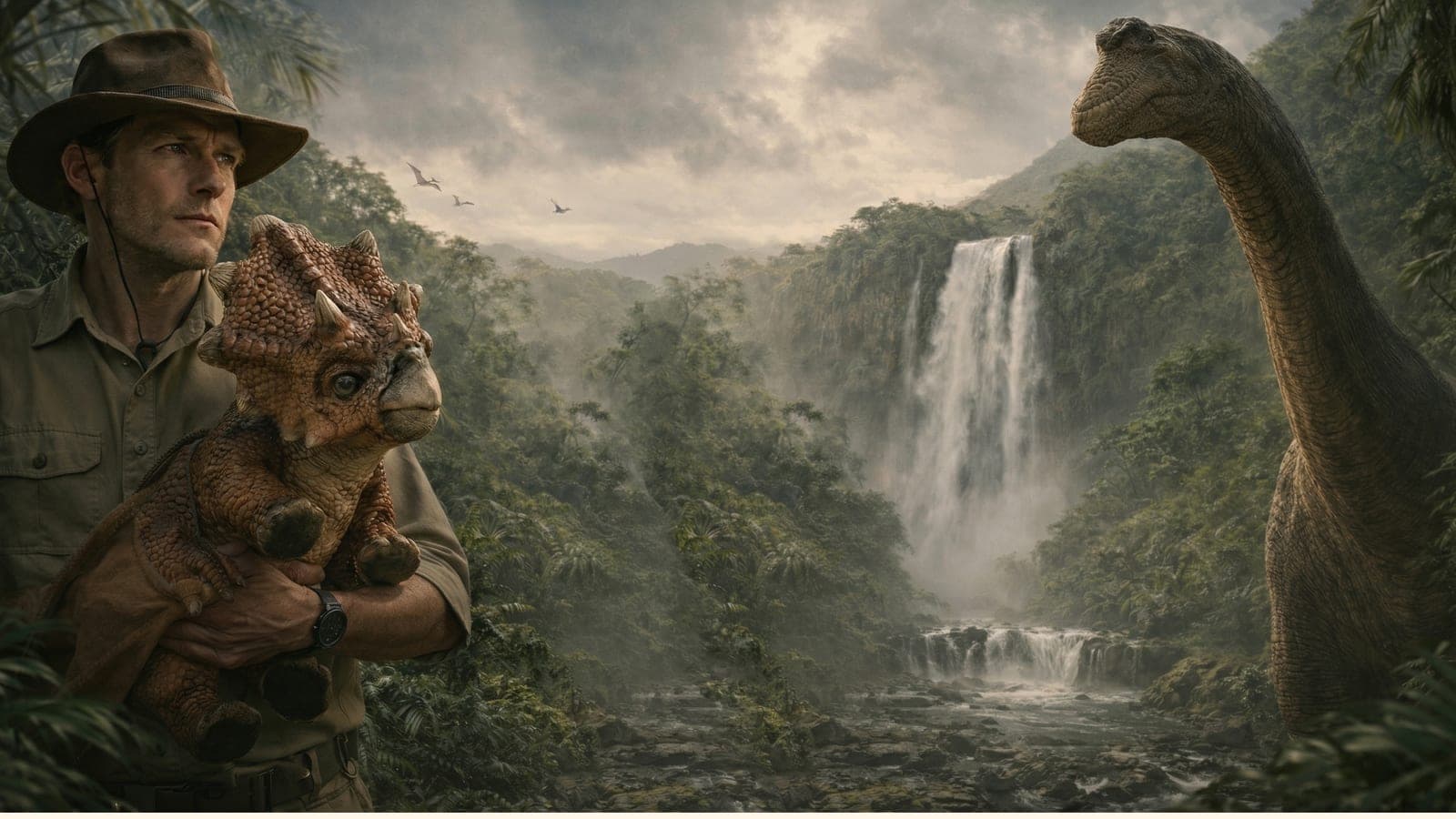
For elementary schools running a science fair unit with dinosaur projects, a Jurassic Petting Zoo event can serve as inspiration before the project or celebration after. Students who have met life-sized animatronic baby dinosaurs and dug for real fossils generate more enthusiastic projects.
The Master Fossil Exhibition station includes fossils that can be reference material for students' projects on fossil identification, teeth, and body parts.
For school event details, see our school event guide.
Frequently asked questions#
What's the difference between a science fair project and a science presentation?#
A project investigates a testable question. A presentation reports information already known. Most "dinosaur reports" are presentations, not projects.
How many days do students need for a good project?#
Most K-8 projects need 2-4 weeks of preparation. Some experiments (like the fossil preservation one) need 4-8 weeks for results.
Can my K-2 student do a real project?#
Yes, with adult support. The projects listed for K-2 are achievable for kindergarteners with parent help.
What if my school's science fair has specific format requirements?#
Adapt the project to the format. Most science fair rubrics include sections for hypothesis, methodology, results, and conclusion. The dinosaur projects above all fit that structure.
Where can I get fossil replicas for student projects?#
Educational supply websites (search "fossil replicas K-12") sell starter sets for $10-30. The Florida Museum of Natural History also has downloadable image resources.
Inspire the next paleontologist#
For South Florida schools running science fair programs, dinosaur projects engage students and produce real scientific inquiry. Pair with a Jurassic Petting Zoo school event for a memorable inspiration day. Check date availability.
Bring a Jurassic Petting Zoo event to your school
STEM-aligned, $20 to $25 per student, comes to your campus. Lock in your school event below.