Dinosaur Curriculum for Preschool and Kindergarten: A 2-Week Teacher's Unit Plan
A complete 10-day dinosaur unit plan for preschool and kindergarten classrooms. Standards-aligned daily activities, vocabulary, read-alouds, and a capstone event option.
 The Chief Ranger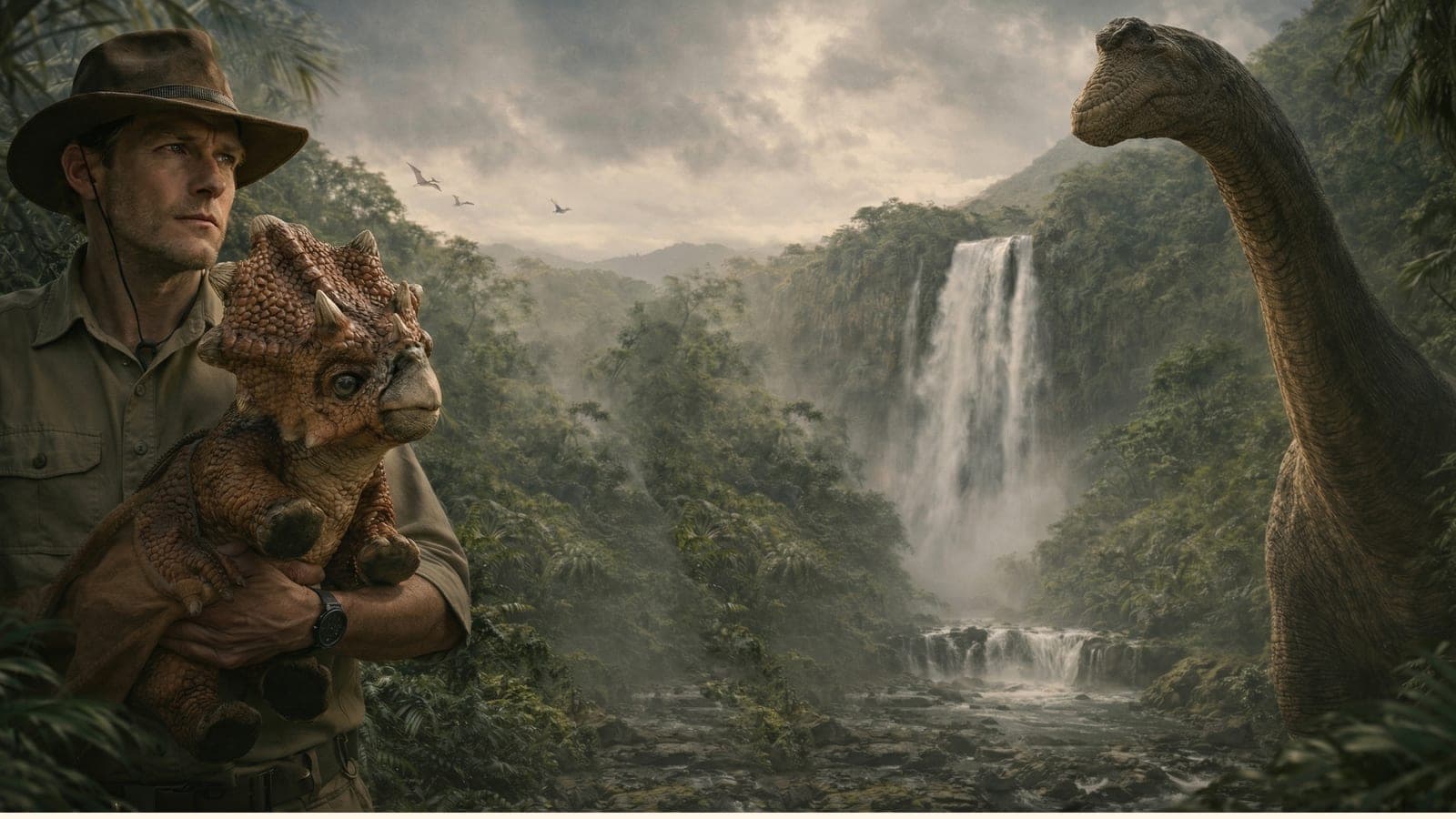
Most "dinosaur curriculum" searches return craft packs, coloring sheets, and Pinterest boards — useful for decorating a classroom, useless for actually structuring a two-week unit. This post is a full 10-day dinosaur unit plan for preschool and kindergarten classrooms, with day-by-day activities aligned to early-grade Florida and Next Generation Science Standards (NGSS) practices, vocabulary lists, read-aloud suggestions, family take-home materials, and an optional capstone event.
How this unit is structured#
Two weeks, 10 instructional days, two phases.
Week 1 — Discovery and Sorting. Students learn what dinosaurs are, how they are different from animals today, and how scientists classify them. The week ends with each student presenting a "favorite dinosaur" to the class.
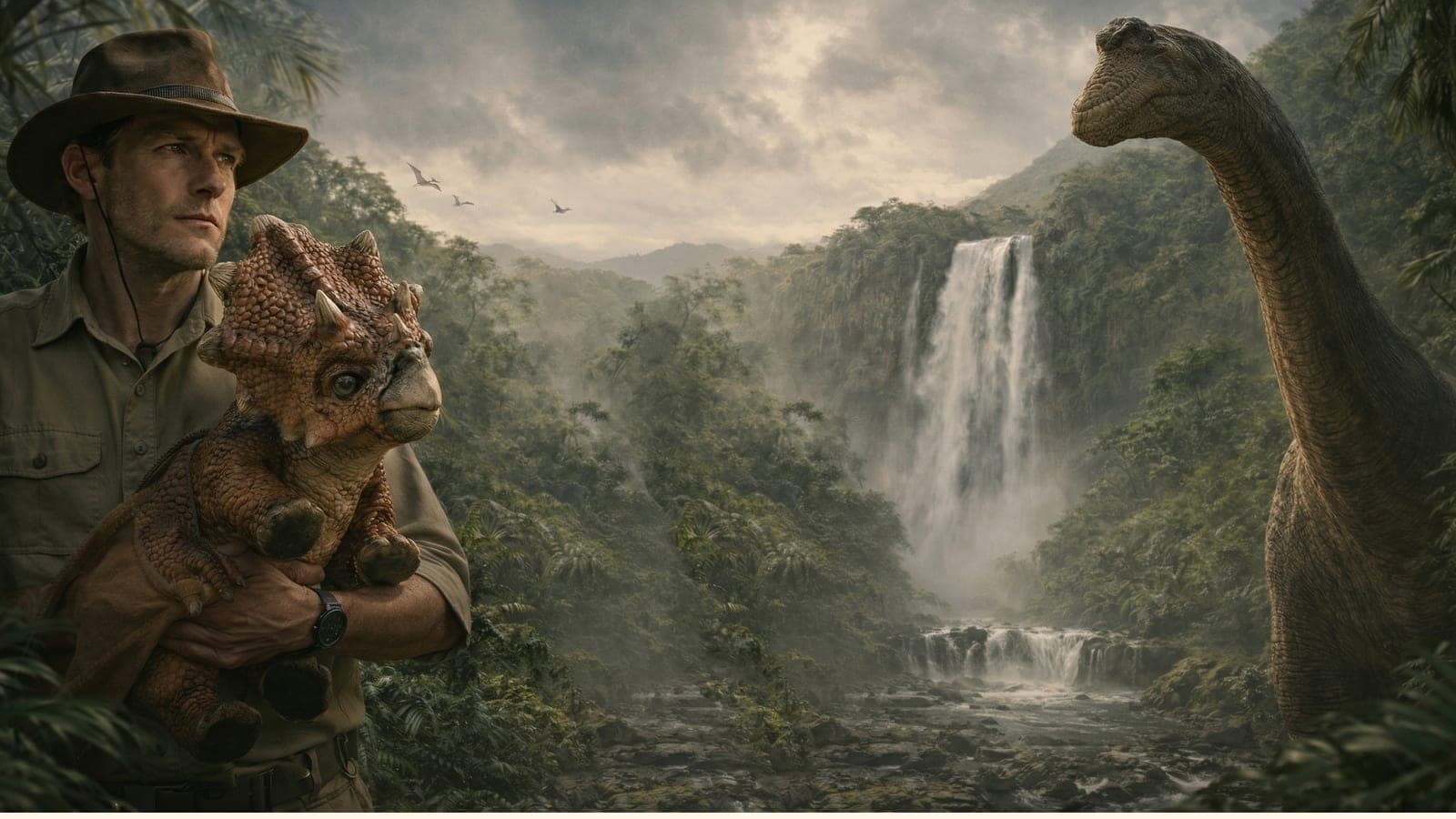
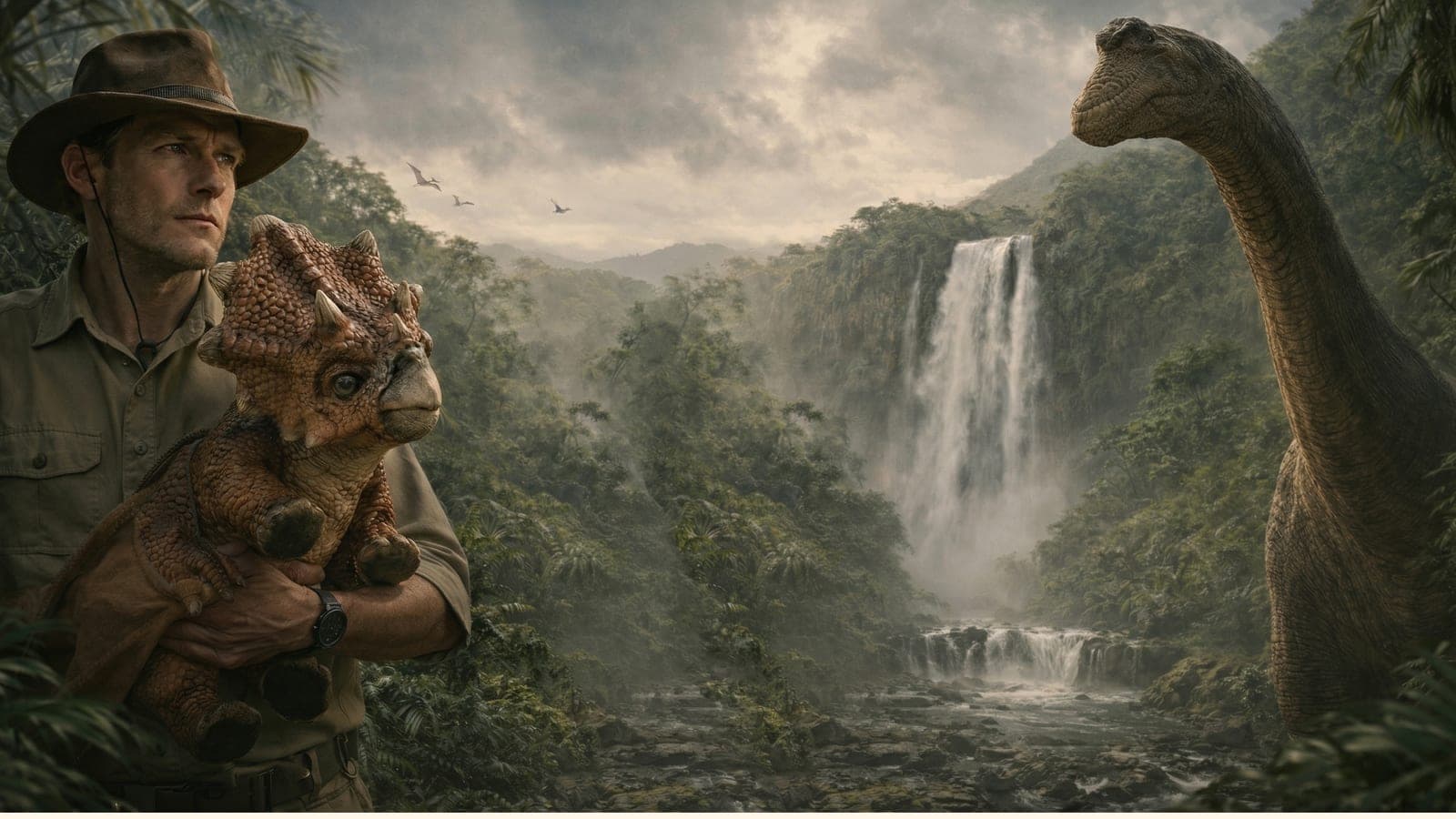
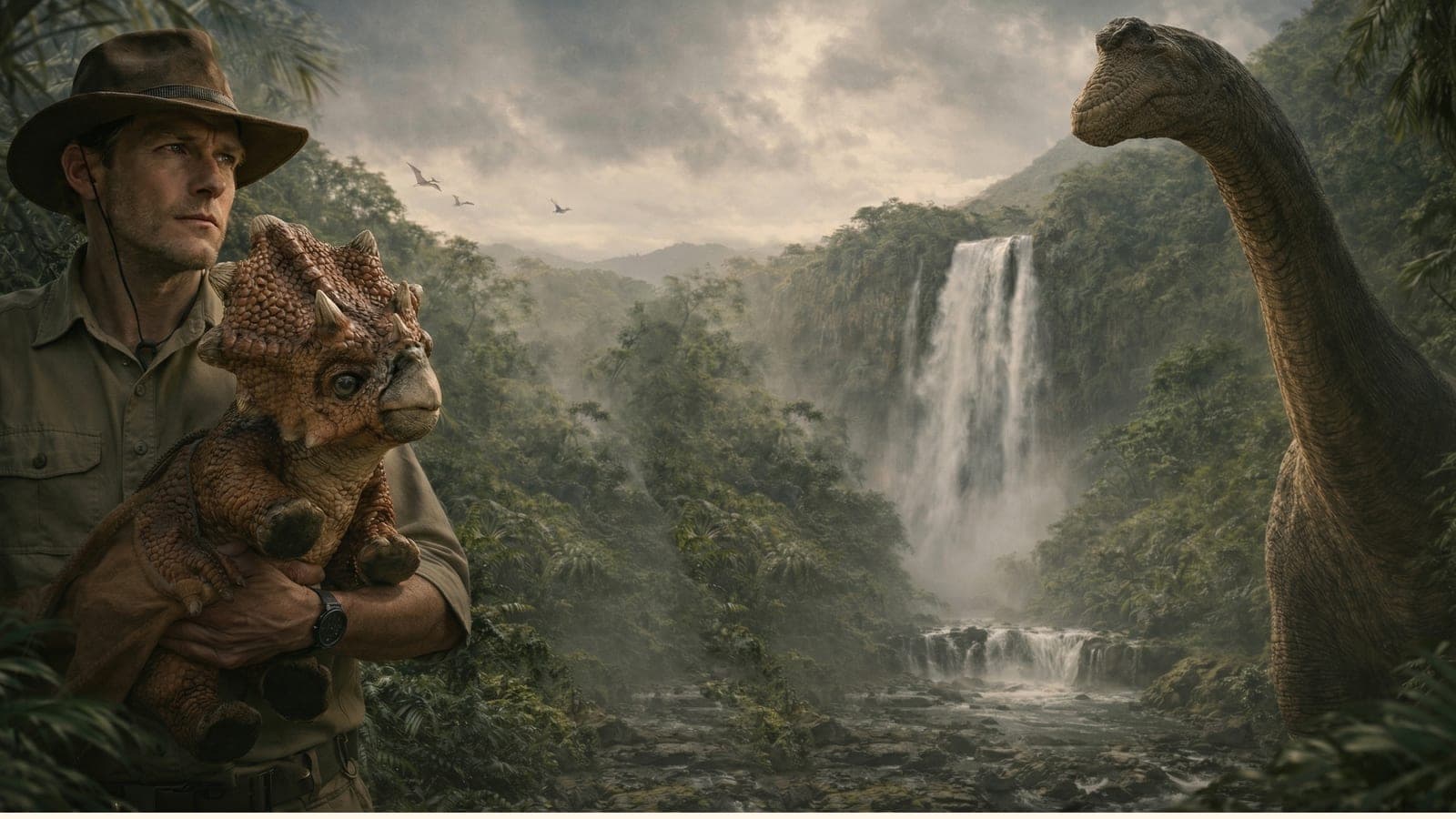
Week 2 — Investigation and Conclusion. Students explore fossils, simulate a paleontologist's work, learn that dinosaurs are no longer alive and why, and connect the unit to the world around them. The week ends with a capstone activity — either a classroom showcase for families, or a Jurassic Petting Zoo school event on campus that brings the dinosaurs to life.
Each daily plan below includes the science practice being built (drawn from NGSS K-2 and Florida early-grade frameworks), the activity, materials, and approximate time. Activities are designed for 25- to 45-minute blocks typical in preschool and kindergarten classrooms.
Day-by-day plan#
Day 1 — Introduction: What is a dinosaur?#
- Practice: Asking questions; observing
- Activity: Read-aloud to introduce the topic. Ask students: "What do you think a dinosaur is? Have you seen one? Where? Are dinosaurs alive today?" Chart their answers on a "What we know / What we wonder" chart that stays up all unit.
- Materials: A read-aloud book (see list below), chart paper, markers
- Time: 30 minutes
Day 2 — Sorting and classification#
- Practice: Developing and using models (classification)
- Activity: Hand each pair of students a tray of dinosaur figurines or printed dinosaur cards. Ask them to sort. Do not tell them how. After 10 minutes, pairs share their categories with another pair. Discuss as a class: "What different ways did people sort? Which were similar? Which were surprising?"
- Materials: Dinosaur figurines or printed cards (12 to 15 species), small trays
- Time: 35 minutes
Day 3 — Body parts and adaptations#
- Practice: Observing; constructing explanations
- Activity: Show pictures of three dinosaurs with very different body features (Triceratops, T-Rex, Brachiosaurus). For each: "What do you notice? What do you think this body part was for?" Build a class chart connecting features to functions: horns for defense, big teeth for eating meat, long necks for reaching high plants.
- Materials: Pictures or projected images, chart paper
- Time: 30 minutes
Day 4 — Diet and habitat#
- Practice: Analyzing observations; categorizing
- Activity: Sort dinosaurs into herbivores, carnivores, and omnivores using picture cards. Then discuss where each kind lived — what they ate determined where they could live. Connect to today: "What do giraffes eat? Where do they live? What about lions?"
- Materials: Picture cards labeled with diet, sorting mats
- Time: 30 minutes
Day 5 — Friday review and "favorite dinosaur" sharing#
- Practice: Communicating findings
- Activity: Each student picks one dinosaur from the week, draws it, and shares one fact with the class. Two sentences each. This is a low-pressure speaking activity that builds confidence.
- Materials: Paper, crayons or markers
- Time: 45 minutes (including share time)
Day 6 — Fossil exploration#
- Practice: Asking questions; observing
- Activity: Pass around touchable fossil replicas (or high-resolution photos if you do not have replicas). Ask: "What do you see? What do you think this is? How could we find out?" Resist answering. Let students propose ideas first. Then reveal the answers and discuss how scientists figured them out.
- Materials: Fossil replicas (or detailed photos), magnifying glasses if available
- Time: 35 minutes
Day 7 — Fossil dig activity#
- Practice: Planning and carrying out investigations
- Activity: Set up a sand bin with buried "fossils" (plaster castings or dollar-store dinosaur skeleton kits work). Each student gets a brush and a small tool. They excavate one fossil, then describe it to the class: shape, size, what they think it was.
- Materials: Sand bin, plaster fossils or dinosaur skeleton kits, paint brushes
- Time: 40 minutes
Day 8 — Size comparison and measurement#
- Practice: Measurement; comparison
- Activity: Roll out butcher paper or use sidewalk chalk outside. Mark the length of a small dinosaur (Velociraptor, about 6 feet) and a large dinosaur (Brachiosaurus, about 70 feet). Walk students along each. Ask: "How many of you would it take to be as long as a Brachiosaurus?" Have them lie down in a row to find out.
- Materials: Butcher paper or chalk, measuring tape
- Time: 30 minutes
Day 9 — Why are dinosaurs not here anymore?#
- Practice: Constructing explanations from evidence
- Activity: Show a picture of Earth during the dinosaur era (with the right kinds of plants and a different geography) and Earth today. Ask: "What is different? What could have happened?" At this age, the goal is not the asteroid story — it is the practice of proposing reasons something might have changed. Accept "the weather got cold," "they did not have enough food," and similar reasonable proposals.
- Materials: Picture comparison, chart paper
- Time: 30 minutes
Day 10 — Capstone#
Two options.
Option A (classroom-led): Students present their week-two findings to family members in a 30-minute showcase. Each student shares one dinosaur fact, one fossil they "found," and one prediction about why dinosaurs are gone. Families ask questions.
Option B (school event capstone): Schedule a Jurassic Petting Zoo school event on day 10. The the Zone 1 stations reinforce everything from the unit — touchable fossils, fossil dig, classification mat, photo station — and the Zone 2 show with life-sized animatronic baby dinosaur puppets lets students meet the species they have been learning about. Pricing is $20 per student for Basic or $25 per student for Premium (adds the AI Triceratops and 8-foot T-Rex finale); both run about 60 minutes and open with the volcano eruption. Curriculum draws on source materials from the Smithsonian, the American Museum of Natural History, Harvard Museum of Natural History, the Florida Museum of Natural History, the Paleontological Society, and National Geographic Kids — so the content aligns with what students have been studying.
Vocabulary list (age-appropriate)#
Twelve words to introduce across the two weeks. Repeat them in context every day.
- Fossil — what is left of an animal or plant from a long time ago
- Paleontologist — a scientist who studies fossils to learn about ancient life
- Herbivore — an animal that eats plants
- Carnivore — an animal that eats meat
- Omnivore — an animal that eats both
- Extinct — no longer alive on Earth
- Prehistoric — from a time before people wrote things down
- Dig site — a place where scientists carefully look for fossils
- Skeleton — the bones inside an animal's body
- Scale — a hard plate on a dinosaur or reptile's skin
- Claw — a sharp curved nail on an animal's foot
- Tooth — what an animal uses to bite and chew (plural: teeth)
Reinforce vocabulary visually. Tape printed words around the classroom near matching pictures. Repeat in every read-aloud.
Read-aloud books that work#
Six books that fit the unit. Pick three to four based on your library access and class level.
- "Dinosaurs Love Underpants" by Claire Freedman — silly, hook for resistant young readers (Day 1)
- "The Magic School Bus in the Time of the Dinosaurs" by Joanna Cole — content-rich, age-appropriate (Days 2 to 4)
- "How Do Dinosaurs Say Good Night?" by Jane Yolen — gentle, good for early in unit (Day 1)
- "Dinosaur Bones" by Bob Barner — fossils and how we know what we know (Day 6)
- "What Happened to the Dinosaurs?" by Franklyn Branley — extinction concept, kid-friendly (Day 9)
- "Edwina, the Dinosaur Who Didn't Know She Was Extinct" by Mo Willems — humor and the idea of extinction (Day 9 or 10)
Where a school event fits as a capstone#
A real-world reinforcement of vocabulary, classification, and observation in one hour-long experience. Students who have spent two weeks studying classification get to apply it: they identify the species they meet, predict what each one ate based on body features, and connect the fossils on the Master Fossil Exhibition to the dinosaurs in the petting zoo.
Logistics for South Florida schools: events run in your gym, multipurpose room, courtyard, or playground. Each show seats up to 120 students, with a 50-student minimum. Larger groups run as multiple back-to-back shows in the same booked slot — a 150-student preschool runs two Basic shows during the morning slot. Booking takes 4 to 6 weeks ahead for most weeks, 6+ weeks for Dino Week, Science Week, STEM Days, or end-of-year. Full details and pricing in the school event guide.
Family take-home materials#
A weekly handout that goes home Friday in the kid's folder. Sample content:
Week 1 take-home#
- "This week, your child explored dinosaurs and how scientists sort them. Ask: 'What is your favorite dinosaur? Why?'"
- Vocabulary list (5 words) for family review
- A "talk-about-it" question: "If you found a fossil in the backyard, what would you do?"
- A coloring page or simple drawing prompt
Week 2 take-home#
- "This week, your child became a paleontologist. Ask: 'What is one thing you dug up? What do you think it was?'"
- Vocabulary list (final 7 words) for family review
- A "talk-about-it" question: "Why do you think dinosaurs are not here anymore?"
- A simple sorting activity (cut-out picture cards, family sorts together)
If the capstone is a Jurassic Petting Zoo school event, the customer portal includes pre-event resources — including family communication templates, social posts for school accounts, lesson plans aligned to the event topics, and printable flyers — that drop into Week 2's take-home without extra work.
Frequently asked questions#
Can this be adapted for VPK requirements?#
Yes. Florida's VPK frameworks emphasize early learning practices (observation, classification, communication, simple investigations) that this unit develops directly. The day-by-day plan can be adjusted to fit VPK block lengths. The "Dinosaurs Preschool" Florida STEM angle is covered more fully in our Florida STEM standards post.
How does this work for a homeschool family?#
Reduce each block to your child's attention span (often 20 to 30 minutes for ages 4 to 6). Spread the 10 days over 2 to 3 weeks if needed. The activities scale well to one or two students — the sorting day works as well with one child as with a classroom.
What materials do I need to run the fossil dig?#
Sand bin (a kiddie pool, a plastic storage tub, or a cardboard box lined with plastic), play sand, and "fossils." For the fossils: dollar-store dinosaur skeleton kits, plaster castings you can make at home, or large rocks painted to look fossil-like. Paint brushes from a craft store for excavation. Total cost: $25 to $40 for a classroom set.
Where can I get touchable fossils for the classroom?#
Real fossil replicas are available through educational supply companies. Free alternative: high-resolution printed photos of fossils from museum websites (the Florida Museum of Natural History and the Smithsonian both have downloadable image libraries). If you book a Jurassic Petting Zoo school event, the Master Fossil Exhibition station brings 30+ touchable fossil replicas to your campus.
Is the curriculum suitable for kindergarten through 2nd grade?#
The structure works for K-2 with adjustments. For kindergarten, run the activities as written. For 1st and 2nd grade, deepen the discussion questions (move from "what do you notice" to "why do you think") and extend the vocabulary. The capstone school event works across the K-2 range without changes.
Bring the unit to life#
A solid dinosaur unit at the preschool or kindergarten level is two weeks of structured science practice on a topic kids would learn from voluntarily. If you want a real-world capstone that pulls everything together — students meeting life-sized baby dinosaur puppets, working at a real fossil dig station, applying their classification skills — a Jurassic Petting Zoo school event is built for exactly that. See the school event guide for booking details, or jump to the schools page for pricing and logistics.
Bring a Jurassic Petting Zoo event to your school
STEM-aligned, $20 to $25 per student, comes to your campus. Lock in your school event below.