Special Education Dinosaur Programs: Inclusive Design for Diverse Learners
Special education and inclusive dinosaur enrichment programs in South Florida. How the format accommodates sensory needs, mobility considerations, and diverse learners.
 The Chief Ranger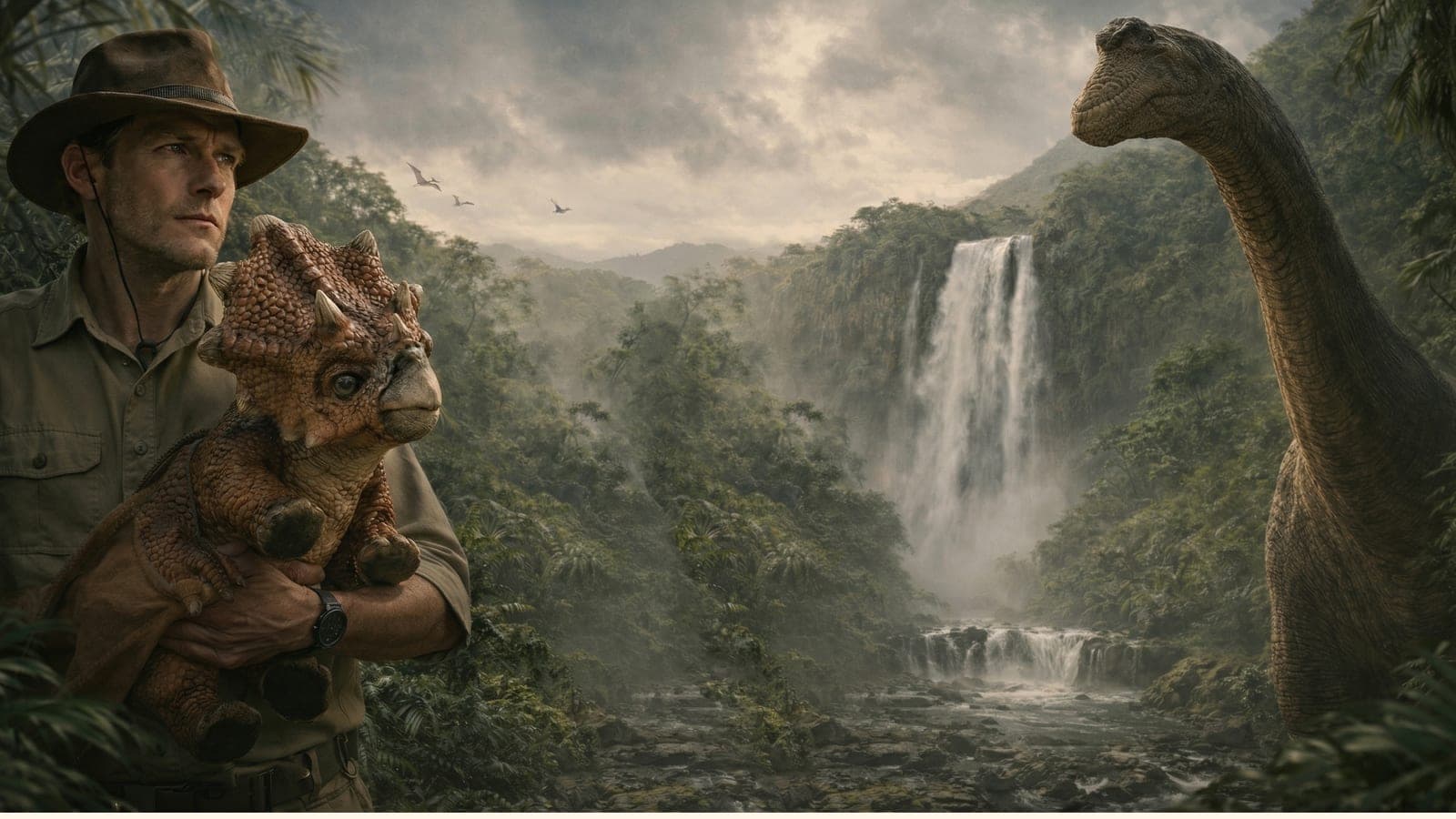
Special education programs in South Florida serve a wide range of learner profiles — autism spectrum, sensory processing differences, mobility considerations, attention regulation differences, developmental differences. Standard "off-the-shelf" enrichment programs sometimes work badly for these students. A dinosaur enrichment day can be one of the best because it is hands-on, visually anchored, paced flexibly, and adaptable to individual student needs. This guide covers how the format works for special education programs, what accommodations are available, and what to expect.
Why dinosaur programs work for diverse learners#
Five reasons specific to special education contexts.
Hands-on rather than instruction-heavy#
Most enrichment programs rely on a single presenter talking for 30-60 minutes. Many students with attention regulation, processing speed, or sensory differences cannot maintain engagement for that long. The dinosaur format is the activity stations the students rotate through plus a more dynamic show — most students engage somewhere even if not everywhere.
Multiple modalities#
Visual (the dinosaurs, the fossils), tactile (touching the fossils, petting the dinosaur puppets), kinesthetic (digging in sand, walking between stations), and narrative (Ranger storytelling). Students engage through whichever modality works best for them.
Predictable, calm pacing#
Rangers calibrate pacing to the room. For special education contexts, that often means slower transitions, longer time at each station, smaller group sizes per station, and verbal preview of what's coming next ("In two minutes, we'll move to the fossil dig").
No required interaction#
Students can engage at the level they want. A student who doesn't want to pet the dinosaur can watch from a teacher's side. A student who doesn't want to dig in sand can observe. No activity is mandatory.
Visual interest without overwhelming stimulation#
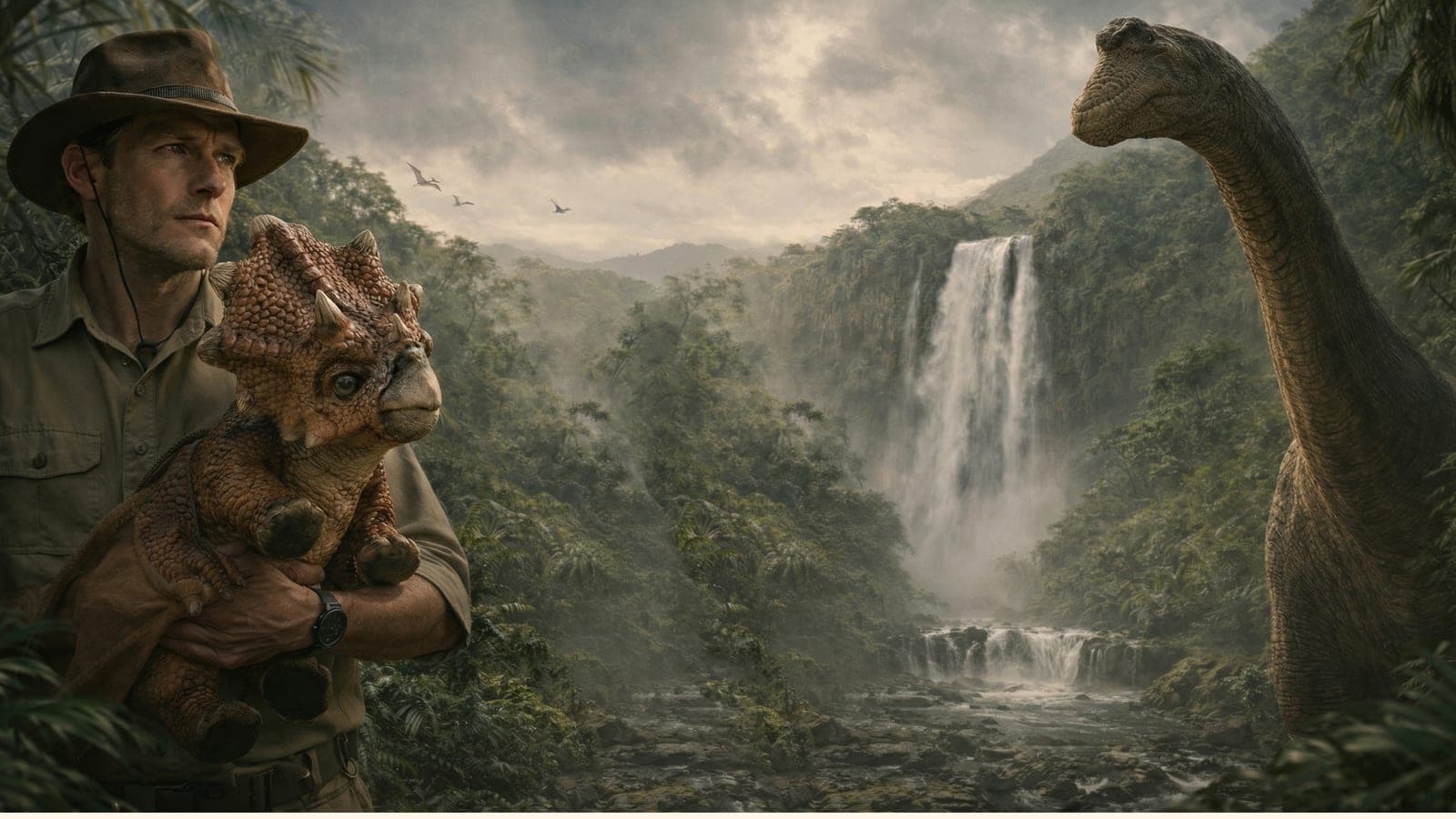
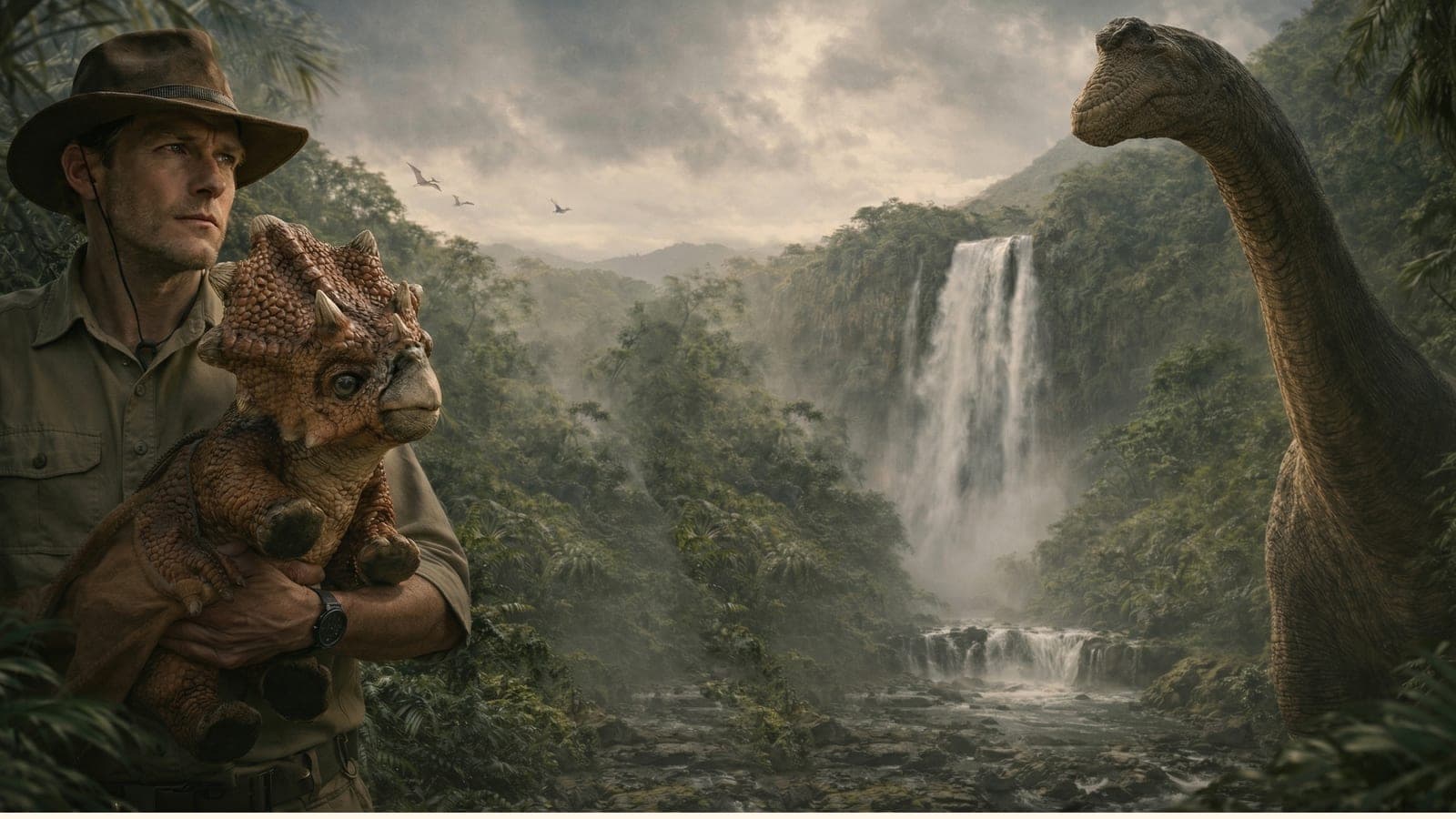
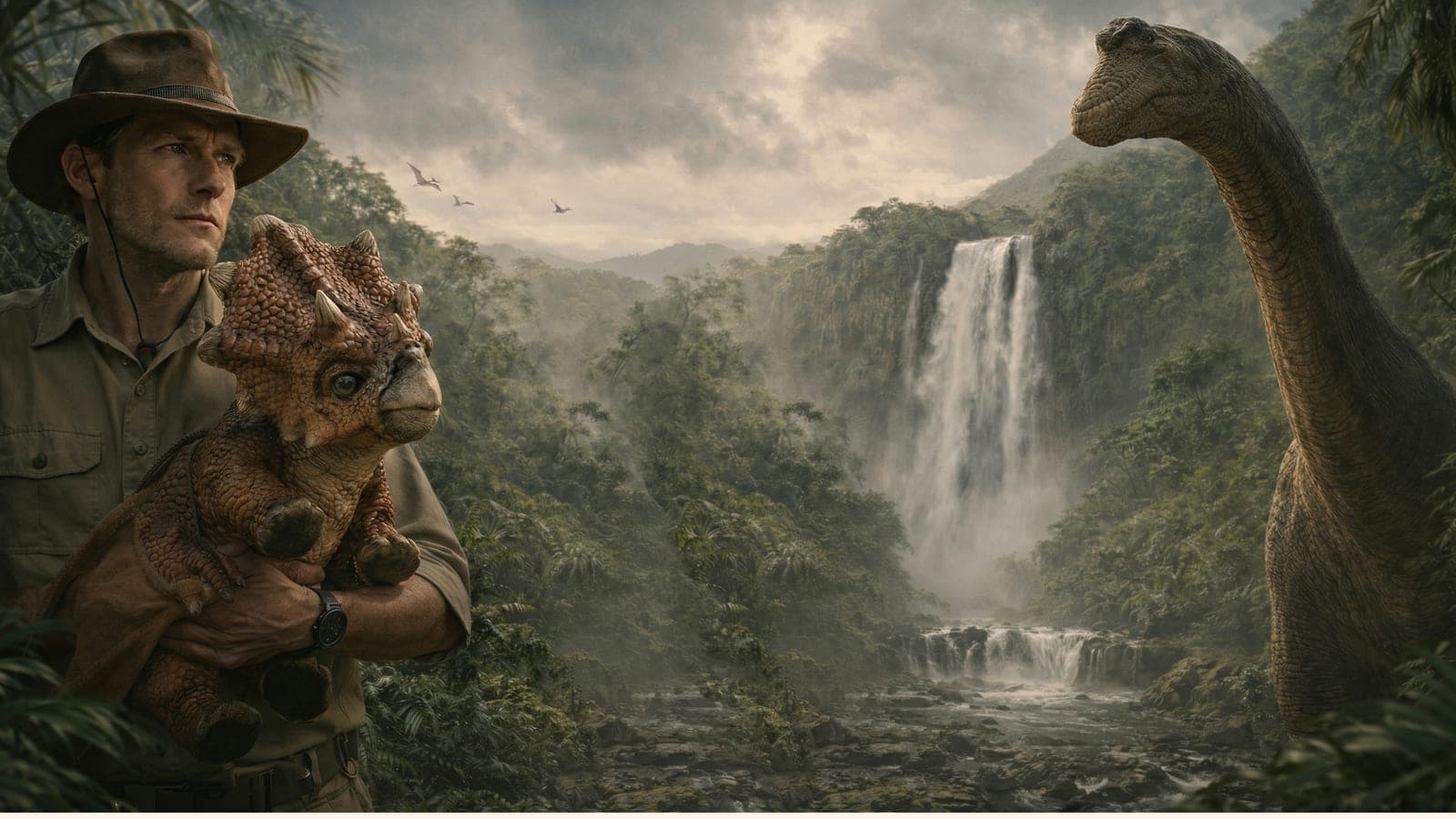
The baby dinosaur puppets are calm and friendly-looking, not the intense T-Rex finale. The Premium 8-foot T-Rex can be skipped for sensory-sensitive groups (Basic is the better choice).
Accommodations available#
Five specific accommodations we can build into a special education event.
1. Sensory-friendly format#
- Reduced volume on Ranger narration and the audio cues
- No volcano-eruption opening (eliminates a sudden visual + sound burst)
- Skip the 8-foot T-Rex finale (intense for sensory-sensitive students)
- Longer transitions between activities (no rushing)
- Smaller group sizes per Zone 1 station
For sensory-sensitive groups, Basic ($20/student, 60 minutes) is the recommended package.
2. Mobility considerations#
- Setup adjusted for wheelchairs and walkers — wider aisles, accessible station heights
- Floor stations available — some Zone 1 activities can be brought down to floor level rather than table height
- The Master Fossil Exhibition can be set up at any height for accessibility
3. Communication accommodations#
- Visual schedules provided to students before the event
- Picture cards available for non-verbal communication during the event
- Rangers trained to support students who use AAC (Augmentative and Alternative Communication) devices
- Sign language is not standard but can be coordinated for specific events
4. Behavioral support#
- Coordinator-friendly: school staff can step in or out as needed without disrupting the format
- Quiet break space respected — students who need a break from the main activity can return when ready
- Multiple Rangers means students can have one-on-one attention if needed
5. Pre-event preparation#
For special education programs, we recommend sending students/parents pre-event materials to reduce anxiety:
- Photos of the Rangers and the dinosaurs
- A simple social story about what will happen
- Visual schedule of the day
We provide these on request when you book.
What the format looks like in a special education setting#
The format adapts to the program's needs. A typical special education dinosaur day:
- 30-60 minutes before — Rangers arrive, set up, brief school staff on accommodations needed
- Start — Students arrive in small groups, settle in
- Zone 1 rotation (35-45 minutes, longer than typical) — students rotate at their own pace through the stations. Stations stay open longer. No pressure to complete every activity.
- Zone 2 show (15-25 minutes) — Rangers bring out the baby dinosaur puppets. Students engage from wherever they're comfortable.
- Wrap-up — Jr. Ranger Badge sticker to each student. Fossils to take home.
Total event time: 60 to 75 minutes. Slightly shorter than the standard format to respect attention and sensory load.
Pricing for special education programs#
Same per-student pricing as standard school events:
- Basic — $20 per student, 60 minutes
- Premium — $25 per student, 60 minutes (rarely recommended for special education contexts)
For a 50-student special education program: $600 Basic. For a 100-student program: $2,000 Basic.
What is included:
- Travel within service area
- Setup and breakdown
- All accommodations described above (no upcharge)
- Pre-event preparation materials
- Fossils students take home
- AI photos delivered after
- Jr. Ranger Badge stickers
- COI on request
How to coordinate the event#
Three things to share when you book.
1. Student profiles#
A high-level overview of the learner profiles in your program — autism spectrum, ADHD, sensory processing, mobility, etc. Specifics help us prepare.
2. Specific accommodations needed#
- Visual schedules needed
- Communication supports needed
- Volume reduction requested
- Mobility considerations
3. School staff role#
What role school staff will play during the event. Some programs prefer staff stay heavily involved; others prefer Rangers run everything. Both work.
Frequently asked questions#
Is the program safe for students with sensory processing differences?#
Yes — we adapt the format. Reduced volume, skipped volcano opening, longer transitions, smaller group sizes. Tell us at booking what your students need.
What about students with autism spectrum?#
Many of our school events serve autism-inclusive programs. The format with predictable structure, visual anchors, and hands-on engagement works well. Visual schedules and pre-event preparation materials available.
Can students who use wheelchairs participate?#
Yes. The setup accommodates wheelchairs. Some Zone 1 stations are floor-level by default; others are table-height and can be adjusted.
What about students who need a break?#
The format respects break needs. Students can step out and return without disrupting the experience. The Zone 1 stations rotate naturally so students can rejoin at any station.
Do you have experience with diverse learner programs?#
Yes — we run school events for a range of programs including specifically special education classrooms, inclusive learning centers, and programs that mix general and special education students.
Can we pair this with a specific therapeutic goal?#
If you have an IEP-related goal (sensory regulation, social engagement, motor planning), we can structure the activities to support it. Coordinate with us during booking.
Plan an inclusive dinosaur day#
For South Florida special education programs planning enrichment, the dinosaur format works for diverse learners with the right accommodations. See the school event guide for the full format, or check date availability.
Bring a Jurassic Petting Zoo event to your school
STEM-aligned, $20 to $25 per student, comes to your campus. Lock in your school event below.