Lesson Plan: Dinosaurs and the Scientific Method (K-2 Classrooms)
A complete K-2 lesson plan for teaching the scientific method using dinosaurs. Standards alignment, daily activities, materials, and discussion questions.
 The Chief Ranger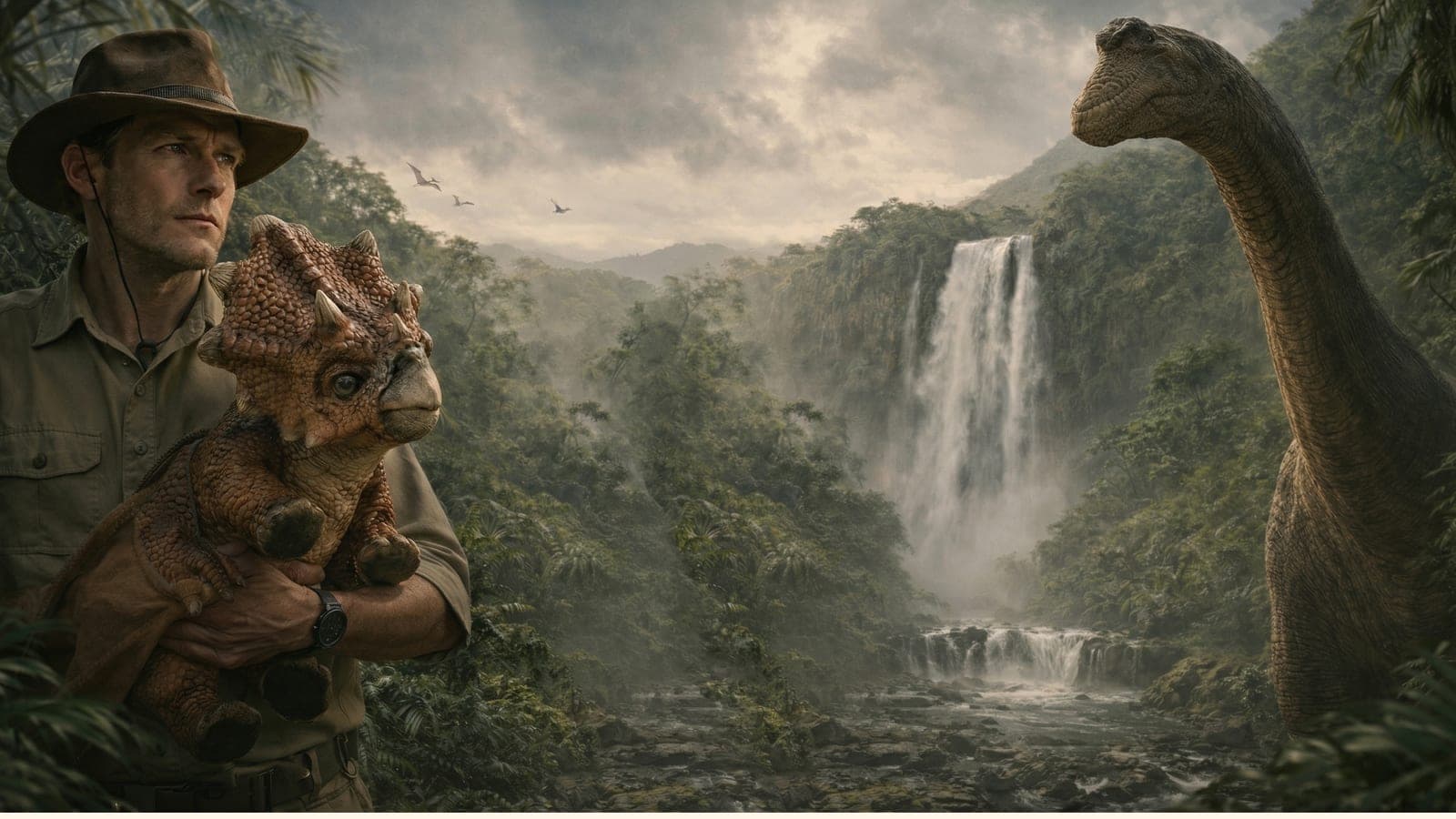
The scientific method can feel abstract for K-2 students — hypotheses, experiments, conclusions are big words. But the practice of being a scientist is something every 5-year-old can do: observing carefully, asking questions, proposing explanations, and testing ideas. Dinosaurs are one of the cleanest vehicles for teaching scientific practice at the K-2 level because the kids show up curious and the practice can be made visible. This lesson plan provides a complete five-day unit on dinosaurs and the scientific method, aligned to NGSS K-2 standards.
Lesson plan overview#
Grade band: K-2 (5- to 7-year-olds) Duration: 5 days, 30-45 minutes per day Subjects: Science (primary), Reading/Literacy (secondary), Math (supporting) Standards covered: K-LS1-1, K-ESS3-1, 1-LS1-1, 1-LS3-1, 3-LS4-1 (introduced)
Learning objectives#
Students will:
- Identify body features on dinosaurs and propose what each feature was for
- Compare dinosaurs to modern animals using observation
- Practice making predictions from evidence
- Use vocabulary related to dinosaurs and paleontology
- Communicate findings through drawings and short presentations
Day 1 — Introducing the Topic#
Practice standard: Observation and asking questions. Time: 30-40 minutes.
Activity#
Read aloud a dinosaur book (suggestions in our read-aloud list). Then ask students:
- "What do you think a dinosaur is?"
- "Have you ever seen one? Where?"
- "Are dinosaurs alive today?"
Chart their answers on a "What we know / What we wonder" chart that stays up all week.
Materials#
- Read-aloud book
- Chart paper
- Markers
Closing question#
Send students home with a prompt: "Ask a grown-up at home: what dinosaur do they know about? Bring back what you learn tomorrow."
Day 2 — Body Features and Function#
Practice standard: Observation and inference (1-LS1-1). Time: 40-45 minutes.
Activity#
Show three pictures of dinosaurs with distinctive body features:
- Triceratops (three horns + frill)
- T-Rex (giant jaws, tiny arms)
- Brachiosaurus (extremely long neck)
For each, ask: "What do you notice? What do you think this part is for?"
Resist giving answers. Let students propose. Then chart their answers.
Reveal the science: horns for defense, big teeth for eating meat, long neck for reaching high leaves.
Materials#
- Pictures of three dinosaurs
- Chart paper
- Markers
Vocabulary introduced#
- Carnivore (meat-eater)
- Herbivore (plant-eater)
- Defense
Day 3 — Sorting and Classification#
Practice standard: Classification and modeling (1-LS3-1 intro). Time: 30-35 minutes.
Activity#
Hand each pair of students a tray of dinosaur figurines or printed cards. Ask them to sort. Do not tell them how.
Walk around. Observe what categories kids choose. Most will sort by size, color, or "scary vs cute." Some will sort by diet or body features.
After 10 minutes, have pairs share their categories with another pair. Ask: "What's similar? What's different? Did anyone find a new way?"
Materials#
- Dinosaur figurines or printed cards (12-15 per pair)
- Trays or paper plates
Closing question#
"How do scientists sort animals into groups? What might be the most important way?"
Day 4 — Fossils and Inquiry#
Practice standard: Asking questions, planning investigations (3-LS4-1 intro). Time: 35-45 minutes.
Activity#
Pass around touchable fossil replicas. Ask:
- "What do you see?"
- "What do you think this is?"
- "How could we find out?"
Resist answering. Let students propose. Then reveal the answer — Triceratops horn, T-Rex tooth, ammonite shell, dinosaur footprint.
Discuss how paleontologists figure out what fossils were when they find them.
Materials#
- 4-6 touchable fossil replicas (real or printed photos)
- Magnifying glasses if available
- Paper for drawing what they saw
Vocabulary introduced#
- Fossil
- Paleontologist
- Extinct
If your classroom doesn't have fossil replicas, build a classroom fossil kit before the unit. Or contact our school events for a Master Fossil Exhibition with 30+ touchable replicas.
Day 5 — Sharing What We've Learned#
Practice standard: Communicating findings. Time: 40-45 minutes.
Activity#
Each student picks one dinosaur from the week. They:
- Draw the dinosaur
- Label its most important body features
- Share one thing they learned about it
Two-sentence share each. This is a low-pressure speaking activity that builds confidence and reinforces vocabulary.
Materials#
- Paper
- Crayons or markers
- Vocabulary chart (visible)
Optional extension#
Send the dinosaur drawings home with a family communication note explaining what students learned about scientific practice.
NGSS Standards alignment#
This unit develops the following K-2 NGSS performance expectations:
- K-LS1-1 — Use observations to describe patterns of what plants and animals (including humans) need to survive
- K-ESS3-1 — Use a model to represent the relationship between the needs of different plants or animals and the places they live
- 1-LS1-1 — Use materials to design a solution to a human problem by mimicking how plants and/or animals use their external parts to help them survive
- 1-LS3-1 — Make observations to construct an evidence-based account that young plants and animals are like, but not exactly like, their parents
- 3-LS4-1 — Analyze and interpret data from fossils to provide evidence of the organisms and the environments in which they lived long ago
Florida B.E.S.T. Standards alignment#
For Florida teachers, this unit also develops:
- SC.K.L.14.3 — Recognize that some books and pictures show real animals and others show imaginary ones
- SC.1.L.16.1 — Identify that some animal characteristics (eg, horns, claws, fins) help them survive in different environments
- SC.2.L.17.1 — Investigate that plants and animals get what they need to live in their habitats
Materials checklist#
For the full 5-day unit:
- Dinosaur read-aloud book (1 per teacher, more if multiple read-alouds)
- Chart paper (4-5 sheets)
- Markers
- Dinosaur figurines or printed cards (12-15 per pair of students)
- Trays or paper plates
- Touchable fossil replicas (4-6) or detailed photos
- Magnifying glasses (1 per pair if possible)
- Drawing paper
- Crayons or markers
- Vocabulary cards (printed)
Total materials cost for a typical K-2 classroom: $25-75.
Tying to a Jurassic Petting Zoo event#
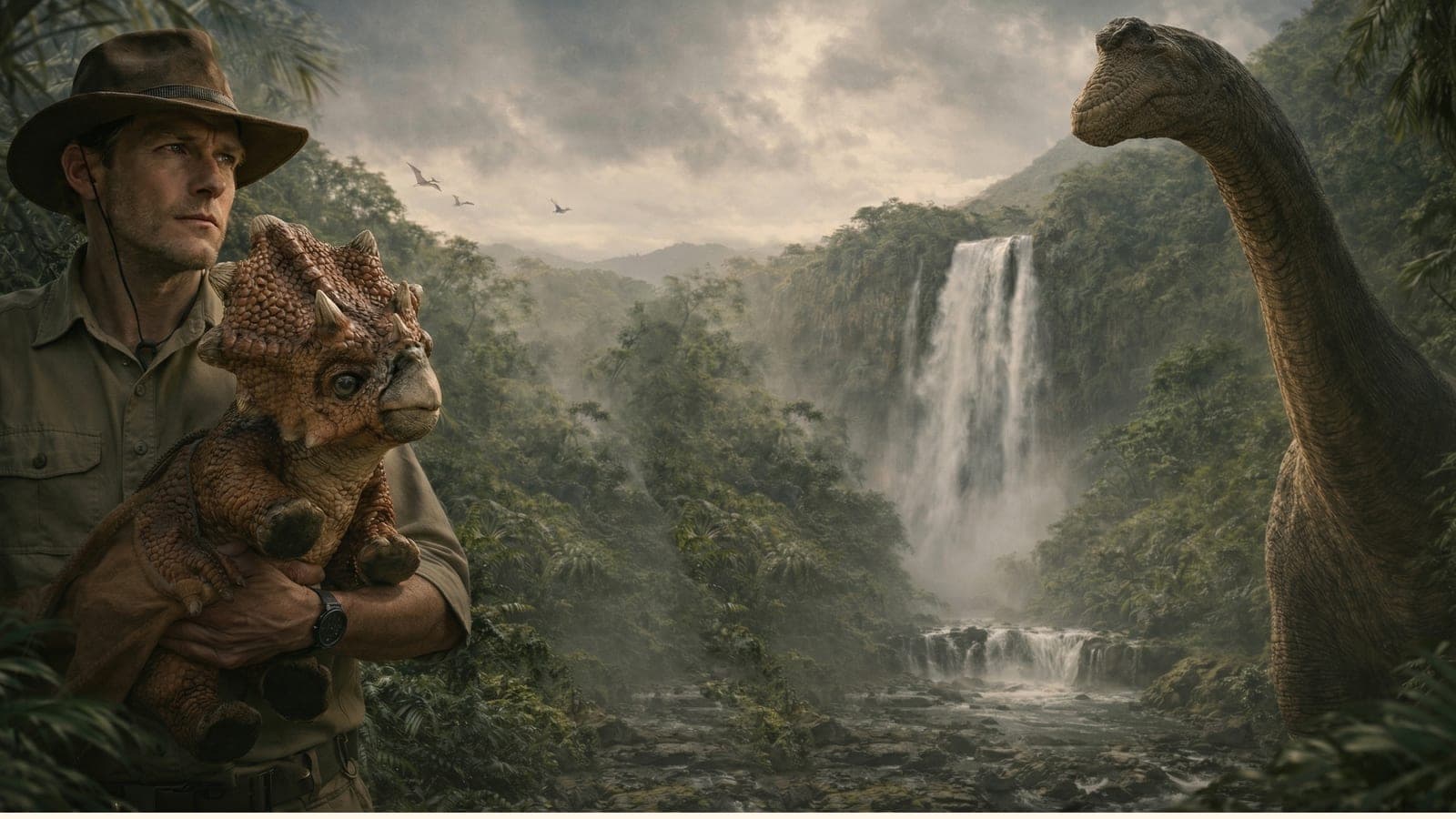
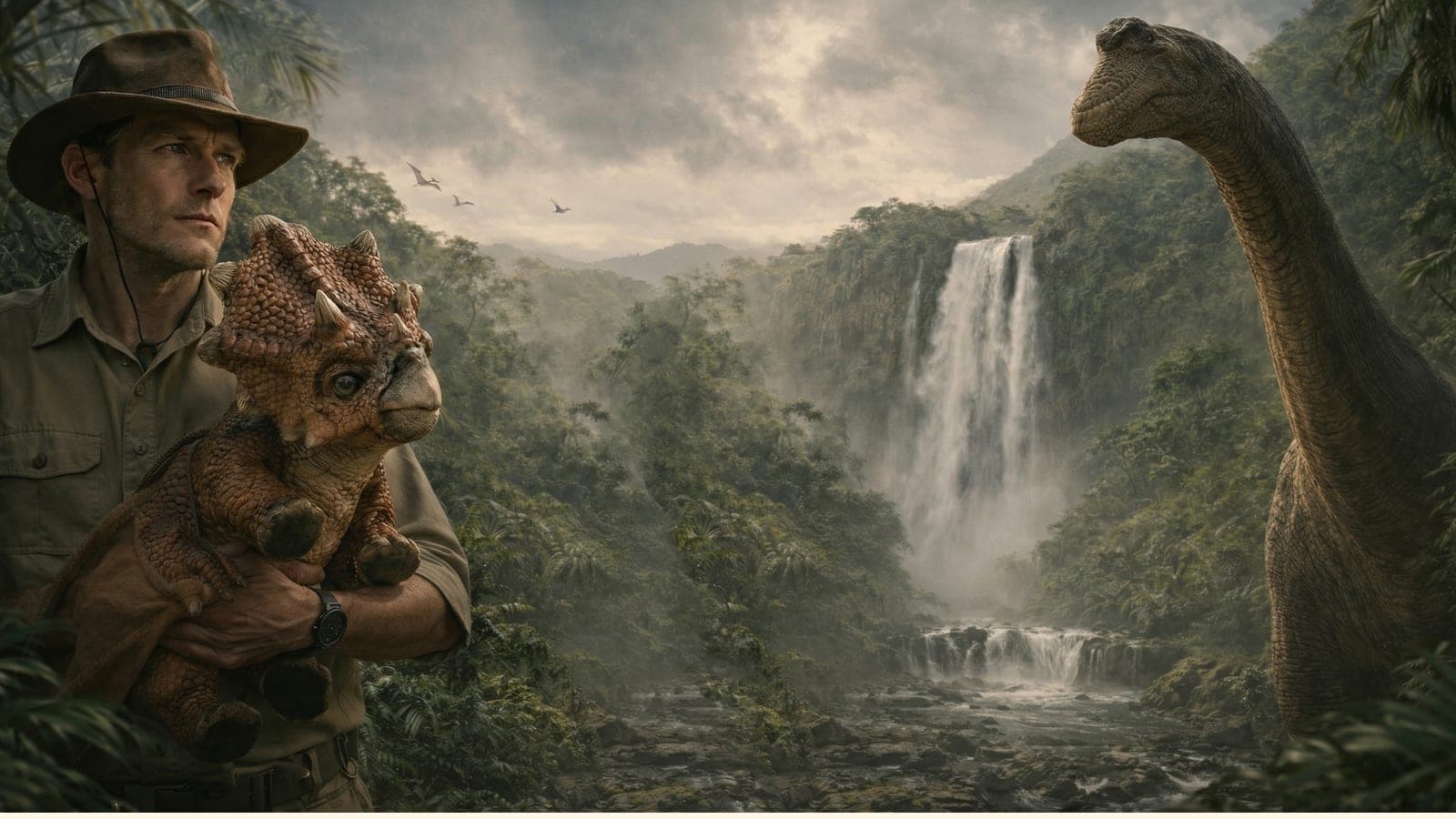
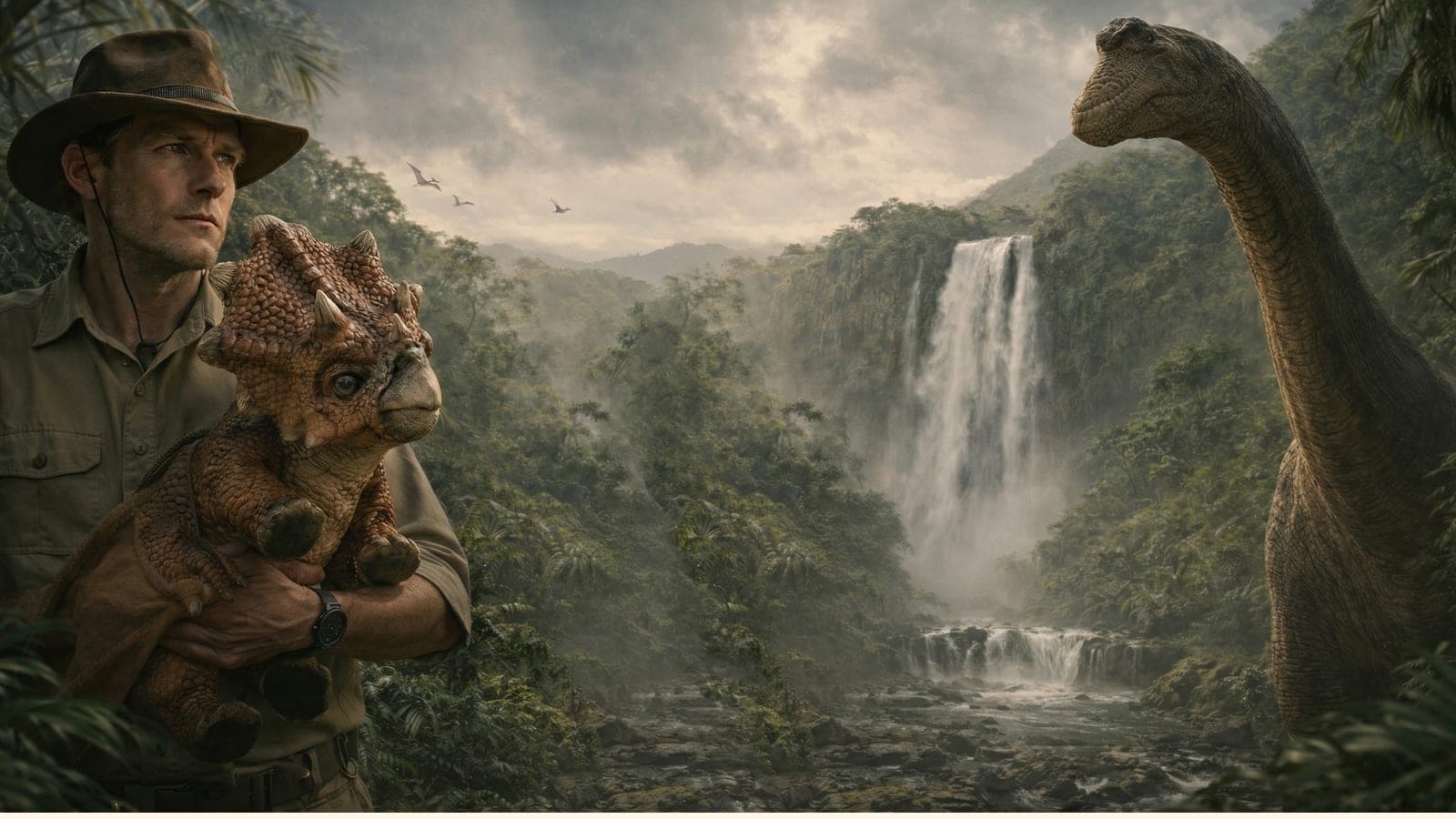
For an unforgettable capstone, schedule a Jurassic Petting Zoo school event at the end of the unit. The event reinforces every vocabulary word and concept introduced — Rangers run a fossil dig, students meet life-sized animatronic baby dinosaur puppets, and the science practice content lands in a real-world way.
Frequently asked questions#
Can this lesson plan be extended for older students?#
Yes. For 3rd-5th grade, add deeper paleontology content (specific time periods, more body features, more sophisticated reasoning). The five-day structure works at any K-5 grade.
Can this be adapted for VPK?#
Yes. Use the same structure but reduce vocabulary load and lean more on visual content. For VPK, focus on observation, naming, and simple classification.
What if I don't have fossil replicas?#
High-resolution printed photos work. The Florida Museum of Natural History and Smithsonian websites have downloadable fossil images. For a Master Fossil Exhibition with 30+ touchable replicas, see our school events.
How do I assess student learning?#
The Day 5 sharing exercise serves as informal assessment. For formal assessment, you can:
- Use the "What we know / What we wonder" chart to evaluate vocabulary growth
- Use the Day 5 drawing as artwork-based assessment
- Quiz vocabulary at the end of the unit
Can I do this lesson plan as a homeschool family?#
Yes. Adjust to your child's pace. The five days can spread over 2-3 weeks for younger learners.
What about families who object to dinosaur content on religious grounds?#
A small number do. Focus on the practice side (observation, classification, asking questions) rather than time-depth language. Most families appreciate the transparency. See our Florida STEM standards post for more on this.
Bring the unit to life#
For South Florida K-2 teachers running this unit, the Jurassic Petting Zoo school event is built as the perfect capstone. Check date availability.
Bring the lesson to life with a real dinosaur event
Capstone your dinosaur unit with a Jurassic Petting Zoo school event. Curriculum-aligned, on-campus, up to 120 students per show. $20 Basic or $25 Premium per student.